What the scams actually look like
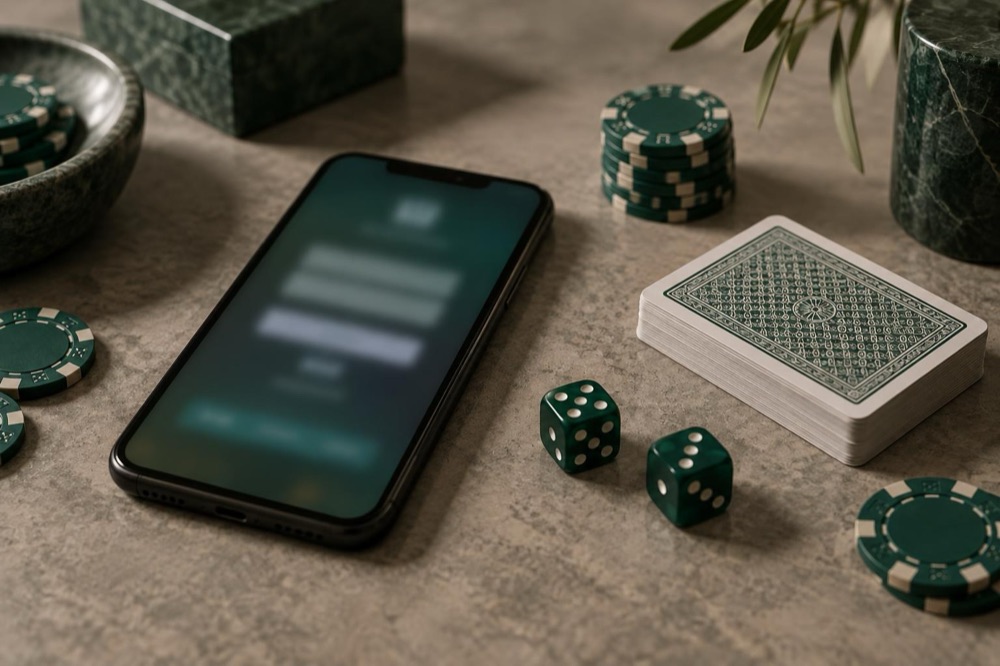
The most common gambling scam aimed at people in Cambodia is not a rigged game. It is a fake website that looks exactly like a real one. Scammers copy the design, colors, logos and game lobby of a well-known betting brand, put it at a slightly different web address, and wait for players to log in. When you enter your username and password, the scammers have them, and they can use them on the real site or drain your account1.
A second pattern works on a longer timeline. The site lets you win, sometimes continuously, and everything looks normal until you try to withdraw. At that point the withdrawal is blocked and you are asked to deposit more money to "unlock" it. Players caught in this trap in the wider region have lost several hundred million dong, and many of these operations run from the Vietnam-Cambodia border area, where scam gambling sites are linked to scam casinos and even human trafficking3.
A third pattern is the message or pop-up. You get a link in a message from a number you do not recognize, or an ad appears suddenly in your browser, and it leads to a page that looks like your usual betting site. The page asks for your password before you have even clicked log in. That is the moment to stop1.
None of this is limited to one brand. The examples below use BK8 because it is one of the most copied names in the region, but the same tricks apply to any operator, from online casinos to sports betting sites.
Who can take part
Gambling in Cambodia is split by nationality. Foreigners and tourists may gamble at regulated gaming venues, while Cambodian citizens may not gamble at all, and the government has never licensed any online gambling company, so all online gambling in Cambodia is illegal4. In practice, many Cambodians play on foreign sites, and authorities rarely prosecute locals for it5. The practical risk for a local player is therefore less about prosecution and more about having no domestic regulator to complain to when a site cheats you, which is exactly why the checking habits on this page matter.

Why the padlock is not proof a site is real
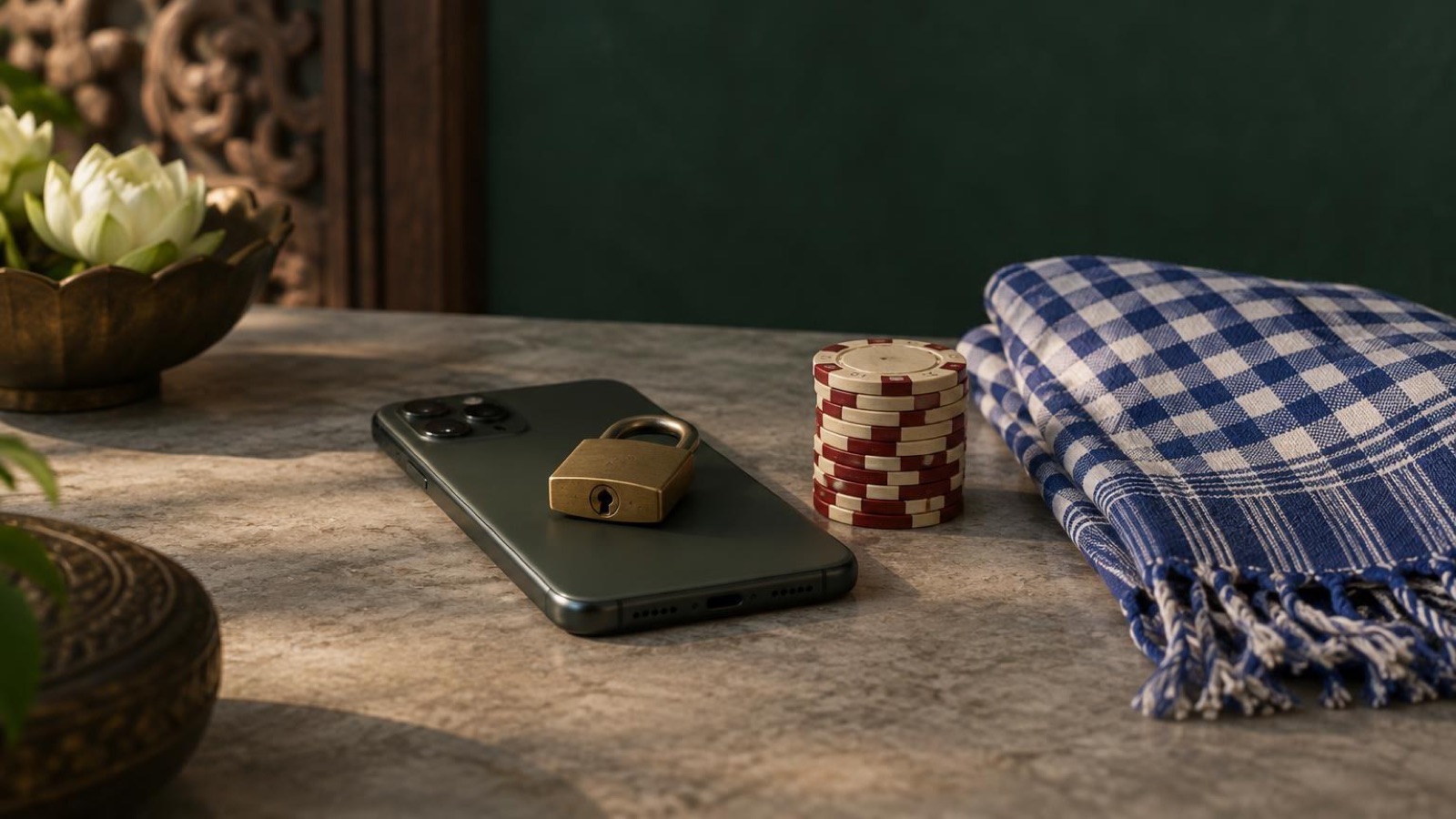
Many guides tell you to look for a padlock sign on the left-hand side of the URL before joining a site6. That advice is fine as far as it goes, but it does not go far enough. A padlock only confirms that the connection between your browser and the site is encrypted. Fake sites can have one just as easily as real ones, because encryption certificates are cheap and automatic. The padlock is a necessary condition, not a sufficient one1.
In other words, a site without a padlock is definitely one to avoid. A site with a padlock has proven nothing except that nobody else on the same Wi-Fi can read your traffic. The scammers running a copycat site are perfectly happy to encrypt the data they are stealing from you.
The same caution applies to other surface signals. A professional design, a live chat window, a list of games, a mobile app: all of these can be copied in an afternoon. What cannot be copied is the web address itself, which is why the next section is the one that matters most.
Checking a web address character by character
The single most useful skill for avoiding a fake gambling site is reading a web address correctly. The method is to read the address from right to left, starting at the last dot1.
Here is why direction matters. In an address like www.example.com, the part that controls everything is on the right: .com, and before it, example. The owner of example.com controls every name to the left of it, so login.example.com and www.example.com both belong to the same owner. But example-login.com or example.betsite.com belong to whoever registered those names on the right. Scammers insert the brand name on the left side, in the part they control, and hope you read the address from left to right and stop as soon as you see a name you recognize1.
The tricks to watch for are small and deliberate:
- A zero (0) instead of the letter o
- A letter l instead of the number 1
- An extra character added to the name1
The working method is simple. Copy the address into a notes app, put the real address next to it, and compare them character by character. Doing this on paper or in a plain text field, where the font does not disguise anything, catches the zero-for-o and l-for-1 swaps that are nearly invisible in a browser bar1.
One more thing worth knowing: real operators run country-specific sites. BK8, for example, maintains separate sites for Thailand, Indonesia, Malaysia, Vietnam, Asia International, Cambodia and the Philippines7. That means the correct address for you may not be the same as the one a friend in another country uses, which is all the more reason to verify the address yourself rather than trusting a forwarded link.
Claims that give a scam away: guaranteed wins and secret formulas
Some scams do not need a fake address. They sell you a story instead: a guaranteed winning strategy, a secret formula, a system that beats the game. This claim is false every time, because no game with a positive house edge can be beaten by a system1.
The house edge is the built-in percentage advantage the game has over you. It varies by game but it never disappears:
| Game or bet | House edge |
|---|---|
| Baccarat main bets, one of the lowest-edge games in the casino | about 1.06 to 1.24%8 |
| Caribbean Stud Poker | 5.2%9 |
| Baccarat side bets, such as the player pair, banker pair and perfect pair bets | varies with the number of decks in the shoe and the remaining cards, and generally worse than the main game8 |
| Insurance bets in blackjack | usually higher than the main game10 |
Progressive betting systems, meaning the Martingale approach of doubling after each loss or the Fibonacci sequence-based approach, cannot mathematically overcome the house edge11. They change the shape of your wins and losses, producing many small wins and occasional catastrophic losses, but the edge grinds away at your bankroll either way.
So when a site or a message promises guaranteed wins or reveals a secret formula, you are not looking at a clever strategy. You are looking at either a scam site or a scam tipster, and in both cases the promise itself is the tell1.
Why old football club partner lists matter
Betting brands advertise their legitimacy through sponsorship, and a real operator's partner list is something a fake site cannot easily copy. Real operators keep these partner lists current, because sponsorships are expensive marketing they want credit for.

Fake sites copy a page once and then abandon it. Nobody is maintaining a scam copy, so its content freezes at the moment it was made. If a site presents a list of football club partners from earlier seasons and none of the current sponsorships, that is a sign of an old, unmaintained copy1.
This check is useful precisely because it requires no special knowledge. You do not need to know which clubs a brand sponsors today. You only need to notice that the site's own content looks stale, that its news section stops months ago, that its promotions reference events that have passed. A live commercial business updates itself constantly. A copy does not.
Why there is no list of fake site names
It would be convenient if there were a published list of every fake gambling site, so you could check an address against it and move on. There are two reasons such a list does not work.
First, it goes out of date within a short time. Fake addresses are cheap to register and replace, so any list is a snapshot of yesterday's scams1.
Second, and more dangerous, a list creates the false impression that anything not on the list is safe. A scam site registered the day after the list was published would pass your check, and you would log in with confidence. The habit of checking the address itself, as described above, protects you against scams that do not exist yet. The habit of checking a list does not1.
There is a Cambodia-specific wrinkle here. In many countries you could at least check whether a site holds a domestic license. Cambodia cannot offer that, because the government has never licensed any online gambling companies and all online gambling in the country is illegal2. Foreign sites that accept Cambodian players are instead licensed in offshore jurisdictions such as Panama, Anjouan, Mwali, Curaçao, the Isle of Man or Malta, and the reputable ones have their games tested for random outcome generation by certified agencies before offering them5. So the practical check is not "is this site licensed in Cambodia" but "does this site's address match the real one, and does its behavior match a maintained business."
Risk reduction habits for players
Beyond checking addresses, a few habits cover most of the remaining risk. The three that matter most:
- Do not log in through links in messages from unknown numbers or through sudden pop-up ads.
- Start from a page you have bookmarked yourself.
- Stop immediately if a page asks for your password before you have clicked log in1.
The bookmark habit deserves a word of explanation. When you reach a site from your own bookmark, you control the address. When you reach it from a message, a search result or an ad, someone else chose the address for you, and that someone may be the scammer. Bookmarking the real address once, after verifying it character by character, removes that variable every time after.
A few supporting habits from the wider region's experience with betting scams:
- Do your research before placing any bets, and favor sites that have been around for a while with positive reviews12
- Be skeptical of any site that lets you win continuously and then blocks withdrawals while demanding more deposits; that pattern is a known scam structure3
- Keep your deposits within money you can afford to lose, which limits the damage of any scam that does get through
Payment methods are worth a thought too. Online gambling companies operating in the Cambodian market accept local bank transfers, international payment gateways and e-wallets13. A scam site will push you toward whichever method is hardest to reverse, so treat unusual pressure around payment method as a signal in itself.
If you already logged in through a link
If you have already entered your password on a page you now suspect, act quickly:
- Change your password on the real site immediately, going there from your own bookmark or a freshly typed, verified address
- If you used the same password anywhere else, change it there too
- Check whether any withdrawal or deposit activity has occurred that you did not make
- Contact the real operator's support and tell them what happened; they deal with compromised accounts regularly and can watch for suspicious logins
If you have deposited money and the site is now blocking your withdrawal while asking for more deposits, do not pay the "unlock" fee. That demand is the scam's final stage, and every additional deposit goes the same way as the first3.
If the experience has left you chasing losses or betting more than you planned, that is a separate problem worth taking seriously. Operators in the region point players toward help lines such as GamCare or Gambling Therapy when they feel anxious, chase losses or hide their betting activity14, and organizations including Gambling Therapy, Gamblers Anonymous and Gam-Anon are available to help compulsive gamblers15.
Getting help
Cambodia itself has a thin support network. There are no counseling centers or mental-health services specifically for gambling addicts in the country16, which means a player who develops a problem has to look beyond domestic services. The international options are real and reachable online: Gambling Therapy offers free support in multiple languages, Gamblers Anonymous runs meetings on the same twelve-step model as Alcoholics Anonymous, and Gam-Anon supports the families of problem gamblers15.
If you want the wider picture of what gambling exists in Cambodia and who may take part, see gambling in Cambodia, and for the rules in detail, gambling laws in Cambodia. For a dedicated page on where to find support, see gambling help in Cambodia.
Common Questions
How do I check a BK8 web address character by character?
Copy the address into a notes app and compare it against the real one, reading from right to left starting at the last dot. Scammers insert the brand name on the left side, which they control. Watch for a zero instead of the letter o, a letter l instead of the number 1, or an extra character.
Does a padlock icon mean a gambling site is safe?
No. A padlock only confirms the connection between you and the site is encrypted. Fake sites can get one just as easily as real ones, so it is a necessary condition but not proof the site is genuine.
What should I do if I have already logged in through a link in a message?
Stop immediately if a page asks for your password before you have clicked log in, and change your password on the real site as soon as you can. Going forward, start only from a bookmarked page rather than links in messages or pop-up ads.
Why do fake sites show old football club partner lists?
Most copy sites are copied once and then abandoned, so their content freezes at the moment of the copy. If a site shows only partner lists from earlier seasons and none of the current sponsorships, it is an unmaintained copy.
Can a betting system beat a game with a house edge?
No. No game with a positive house edge can be beaten by a system. Progressive systems like Martingale or Fibonacci cannot mathematically overcome the edge, and any site promising guaranteed wins or a secret formula is a scam.
Where should I start when I want to reach the real site?
Start from a page you have bookmarked yourself, or type the address you already verified. Do not log in through links sent in messages from unknown numbers or through sudden pop-up ads.
Why do lists of scam site names go out of date?
Because fake sites are created and replaced quickly, any list goes stale within a short time. Worse, a list creates the false impression that anything not on it is safe, which is exactly the wrong conclusion.
Sources16 sources
- Avoid Fake Sites, BK8 Cambodia Games, 2026-08-11
- Crackdown on Illegal Online Video Gambling Platform, Khmer Times, 2023-11-15
- Các trang game cờ bạc, cá cược hiện đang hoạt động như thế nào?, VietnamNet, 2024-03-28
- Gambling Law, The Phnom Penh Post, 2017-01-20
- Best Online Casinos for Players from Cambodia, Wizard of Odds, 2026-05-28
- How to Check if an Online Gambling Site is Legal, Arab America, 2020-12-28
- BK8, BK8, 2026
- Baccarat, CoinPoker, 2026-05-25
- Caribbean Stud Poker, PlaySmart, 2026-09-25
- Blackjack, Stake, 2026-09-26
- Kontoverifizierung bei Duel Casino Schritt für Schritt, NagaWorld, 2026-09-26
- Betting Scams and How to Avoid Them in Vietnam, Vocal Media, 2026-09-27
- Playing to Win: Challenges as Online Gambling Increases in Popularity, The Phnom Penh Post, 2024-07-04
- Responsible Gaming, 1xBet Cambodia, 2026-01
- Responsible Gaming, Supreme King, 2026-09-25
- Gambling: A Losing Game, The Phnom Penh Post, 2012-08-17