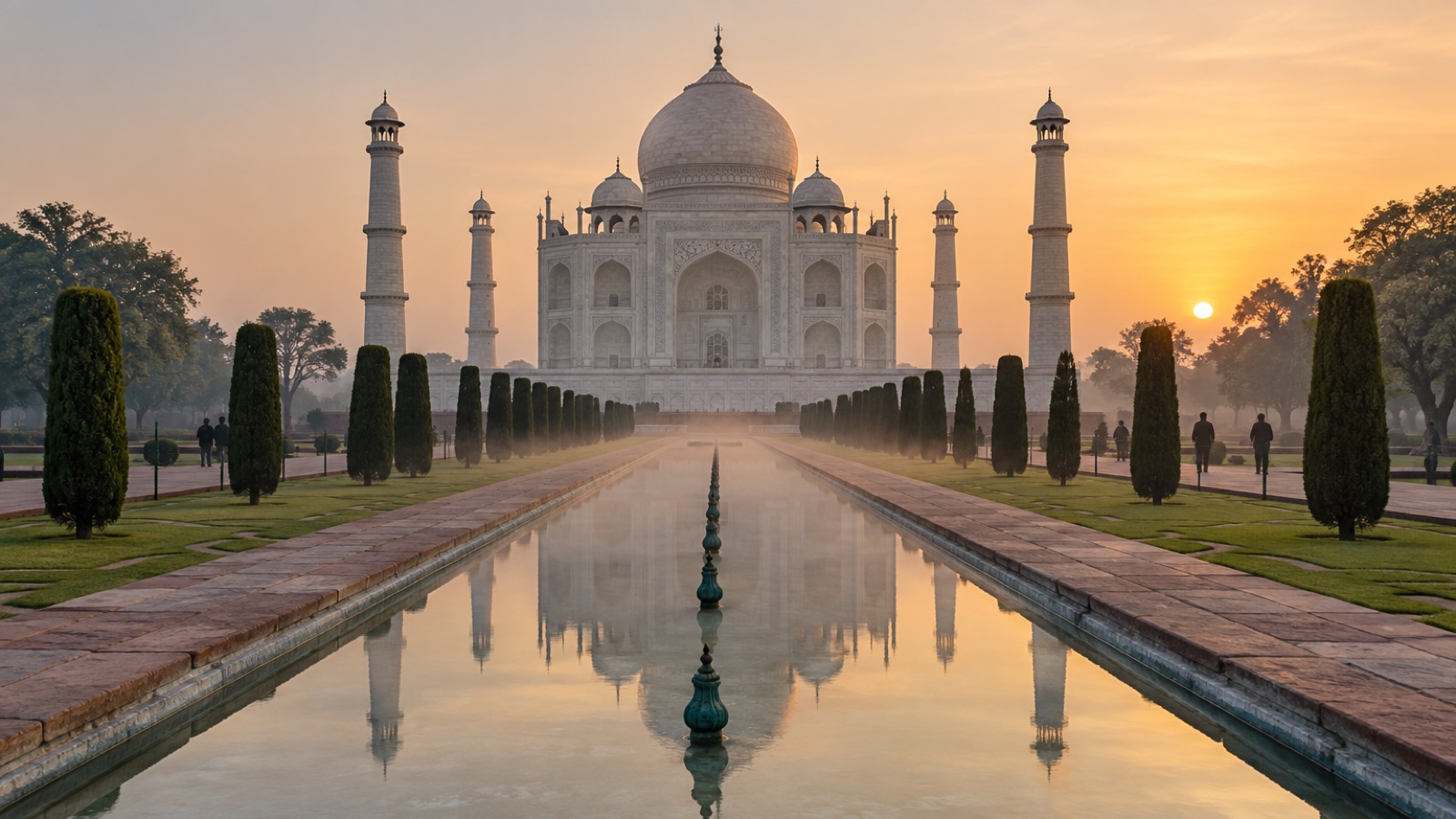
The gambling scene
Gambling in India is a story of sharp contrasts. On one side sit the legal pillars: state-run lotteries, horse racing at licensed turf clubs, rummy as a recognized skill game, and casinos in a handful of states. On the other sits everything else, from street-side Satta Matka numbers to a vast offshore betting market, all outside the law. The federal Public Gambling Act of 1867 still frames the picture, and it banned most forms of gambling from the start, including pure-chance games like Satta8.
What makes India different from most of Asia is that each state writes much of its own gambling policy. The practical result: what you can do in Goa, you may not be able to do in Tamil Nadu, and the games counted as "skill" escape the gambling bans in most states, though Assam, Odisha, Andhra Pradesh, Tamil Nadu, and Telangana treat even skill games as gambling5. The Supreme Court has classified rummy, poker, and fantasy sports as skill games at the central level1.
The biggest recent change came on May 1, 2026, when a nationwide ban on real-money online gaming took effect, covering games of skill, chance, or both, and shutting down the online poker, rummy, and fantasy sports industry that had grown enormous over the previous decade7.
To understand how each state treats gambling, read gambling laws by state in India, and for the long backstory from the 1867 Act to today, see gambling in Indian history and culture.
Casinos and resorts
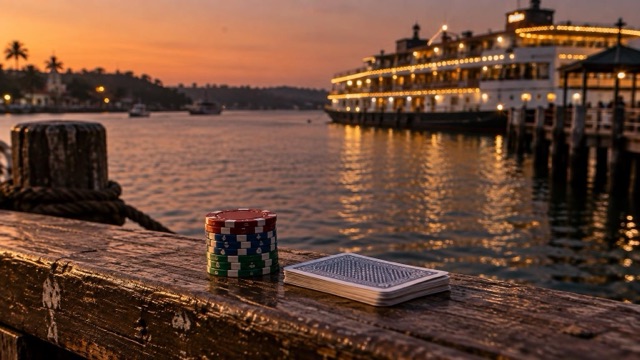
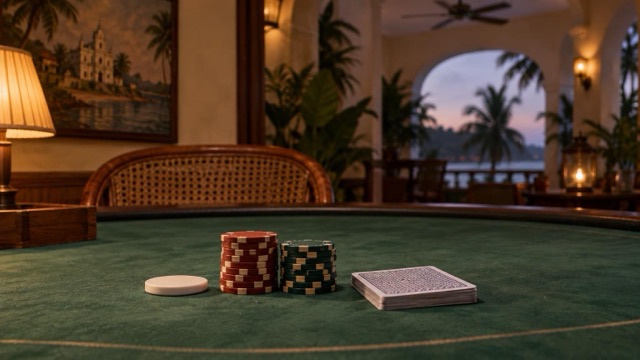
India's licensed casinos are concentrated in three states, and Goa is the heart of it all. The state has about ten casinos: four land-based and six offshore, floating on the Mandovi River off Panaji. These floating casinos, with names like Deltin Royale and Big Daddy, are the most distinctive gambling venues in Asia: multi-deck ships with live gaming floors, restaurants, and entertainment, reached by short ferry rides. Casino gaming is legal in Goa and Sikkim under state-regulated frameworks, and the floors offer poker, blackjack, roulette, baccarat, and slot machines, alongside Indian favorites like Teen Patti and Andar Bahar1.

One practical note for your calendar: Goa closes its casinos for a full day each year on October 2, Gandhi Jayanti, by order of the state government9. Plan around it if you are visiting during that week.
Sikkim licenses casinos in Gangtok area hotels, but with a twist: the state government banned locals from entering casinos in 2016, so the floors are for visitors only10. Meghalaya has moved the same direction, planning casinos aimed at tourists, with rules allowing only travelers from other states or countries to play after showing valid proof of travel11.
For the full picture, see:
- Casinos in India covers the licensed venues across all three states, entry rules, and what a visit costs.
- Goa casinos is the deep guide to the Mandovi floating fleet and land-based rooms, including Deltin Royale, Deltin JAQK, Big Daddy Casino, and Majestic Pride Casino.
- Sikkim casinos explains the locals-banned rule and the Gangtok venues.
- Casino games in India walks through the tables and machines you will actually find, from roulette to live Teen Patti.
- Andar Bahar explains the simplest and most popular Indian casino game: one card turned, and you bet whether the matching card appears on the Andar or Bahar side.
The lottery
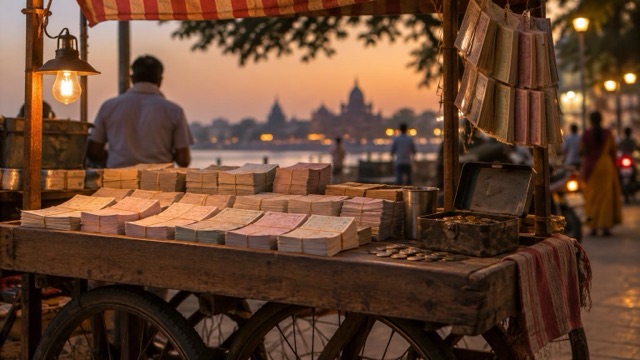
State lotteries are India's most accessible legal gambling, sold as paper tickets at small agents' shops for cash. Banking and online payment are not available for lottery tickets; you buy them in person at face value, and in Kerala, agents may not sell above face value or outside the state5.
The big lottery states each have their own character:
- The India lottery is the overview: how tickets work, how draws happen, and how prizes are claimed.
- Maharashtra monthly lotteries include the INR 50 Laxmi draw with a first prize of INR 35 lakh, the INR 20 Laxmi draw with INR 5 lakh on top, and the INR 200 Tejaswini with INR 10 lakh. The monthly Ganesh Laxmi lottery spreads a total prize pool of about Rs. 42,53,000 across seven prize ranks, from a top prize down to Rs. 250 for 4,000 random-number winners13.
- Maharashtra bumper lotteries are the headline events. Bumper tickets cost INR 200, and the Diwali Bumper 2025 offered a first prize of INR 1 crore from a prize fund of INR 1,27,50,000, while the Gyanganga Bumper carried a first prize of INR 2 crore. The 2026 schedule lists a Diwali Bumper with total prize money of INR 2,55,00,000 and a Ganpati Bumper at INR 1,27,50,00015.
- Nagaland State Lotteries runs the famous Dear series of daily draws. Claims above ₹10,000 go through the Directorate in Kohima, paid by RTGS or demand draft after tax deduction, with a self-declaration affidavit on ₹20 stamp paper17.
- Sikkim State Lotteries sells weekly paper tickets in West Bengal, Punjab, Sikkim, Maharashtra, Meghalaya, and Nagaland, with draws at the Directorate in Deorali, Gangtok. Small prizes up to ₹10,000 are paid by the sellers themselves; bigger claims need the prescribed form, and winners' names and photos are published publicly for prizes above ₹10,00018. The Dear Ganesh Chaturthi Bumper 2026 offered a first prize of INR 3,00,00,000 from a maximum of 6 lakh tickets4.
- Kerala State Lotteries is the oldest state program, with weekly draws and strict rules: no internet sales, no out-of-state sales, and no 2-digit, 3-digit, or 4-digit side games based on its results12.
For a sense of the weekly rhythm, Maharashtra's schedule runs draws like the INR 10 Akshay and the INR 20 Maharashtra Laxmi, and the Sahyadri Deeplaxmi weekly draw pays a common first prize of Rs. 10,000, second prizes of Rs. 5,000, and a tail of smaller prizes down to Rs. 300 for 100 random numbers3.
Sports betting and racing
Sports betting outside horse racing has no legal domestic market in India, but it is enormous anyway, mostly through offshore websites and the informal "betting exchange" and "cricket ID" networks that take wagers on cricket and everything else. Gambling is strictly regulated in India except for a few specific activities like lotteries and horse racing21.
- Sports betting in India explains what is on offer, how odds work, and the practical risks of the offshore market.
- Betting exchanges and cricket IDs in India covers the local middleman system through which most informal betting actually flows.
- Fantasy sports in India looks at the Dream11-style skill-game industry, which was treated as a game of skill showcasing sports knowledge, until the 2026 online ban ended real-money play22.
- Esports betting in India covers wagering on competitive gaming.
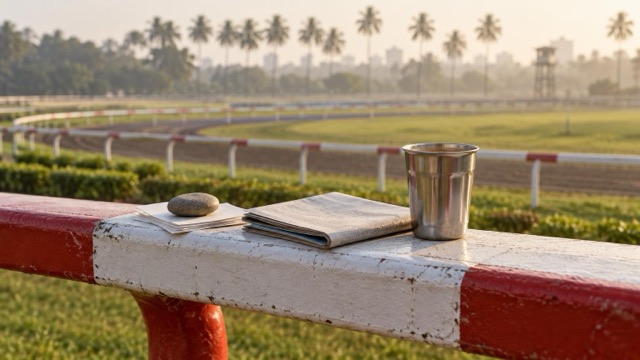
Horse racing is the legal exception, treated as a game of skill and permitted on the day of the race, at the track, in states that allow it: Telangana, Assam, Delhi, Haryana, Karnataka, Maharashtra, Meghalaya, Punjab, Tamil Nadu, Uttar Pradesh, and West Bengal5. The Indian Contract Act makes wagering agreements void but expressly exempts horse-race betting, making it legally permissible23.
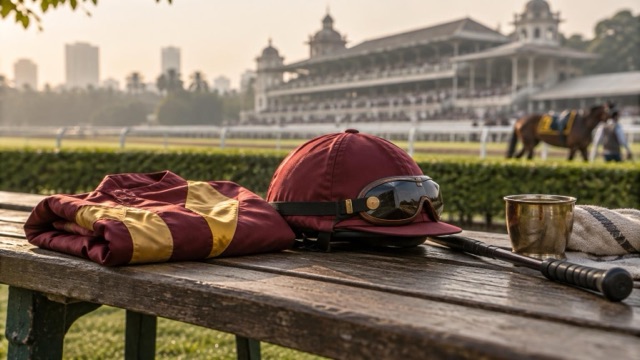
The Royal Western India Turf Club runs racing in Mumbai and Pune, with off-course betting centers in both cities, including Amar Classic on the Pune-Sholapur Road in Hadapsar24. The principal bet types are Win, Place, Jackpot, Super Jackpot, Treble, Forecast, Quinella, Tanala, and Second Horse Pool6. Race days feature handicaps such as The Shiv Kumar Lal Memorial Trophy, for horses rated 20 to 4525, and Derby day is the social highlight, with bumper prizes that have included a Mercedes car26.
- Horse racing in India covers the racecourses and clubs, including Royal Western India Turf Club, Bangalore Turf Club, Hyderabad Race Club, Madras Race Club, and Mysore Race Club.
- Betting on horse races in India explains each bet type and how the pools pay out.
- Major horse races in India covers the Indian Derby and the big festival days.
Poker
Poker occupies a special place in Indian gambling law. Because most states treat it as a skill game, live poker has been able to run legally in licensed venues, and a Calcutta High Court ruling held that poker is not a gambling activity under the West Bengal Gambling and Prize Competitions Act 1957, so police cannot interfere with such games5. Online poker sat in a gray area for years, with operators arguing that since most states consider poker a skill game, playing was legal for Indian citizens; the 2026 nationwide online ban closed that door5.

- Poker in India covers the live game: where to play, cash games and tournaments, and the skill-game argument.
- Online poker in India explains what the 2026 ban means for the online game and what the scene looked like before.
Local and traditional games
India's card culture is older and deeper than any casino. The games to know:
- Teen Patti is the king. A three-card game rooted in the Hindu festival of Diwali, it became a digital phenomenon: Octro's Teen Patti app was the highest-grossing game on Google's Play Store in India, and the game has spawned countless variations, including Joker Hunt, Closest to 555, AK 47, and Card on the Forehead27.
- Indian Rummy is the 13-card game played by 2 to 6 players with two decks. You win by forming sequences and sets, and a pure sequence, three or more same-suit cards in order with no joker, is mandatory. It is particularly popular in card rooms and casinos across India, where in certain jurisdictions the classic game is played as a wagering game28.
- Traditional card games in India surveys the wider family of games beyond the casino floor.
- Ganjifa cards is the heritage page: hand-painted circular cards, including the Orissa Ath-Rangi Moghul Ganjifa deck of 96 cards in 8 suits of 8 colors, still played in parts of the country29.
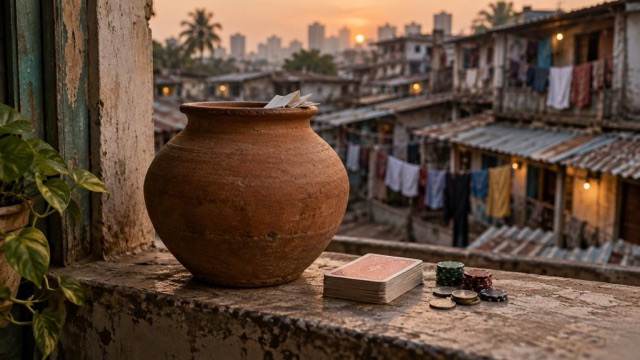
- Satta Matka is the illegal legend. Numbers from 0 to 9 were once written on paper slips, put into a matka (a large earthen pitcher), and drawn by hand; today three numbers are drawn from a pack of playing cards. It remains illegal under the 1867 Act, but the game and its "Satta King" culture persist1.
Online
This is the section that changed most recently. On May 1, 2026, a nationwide ban on real-money online gaming took effect: no person shall offer, aid, abet, induce, or otherwise engage in the offering of an online money game or online money gaming service, whether the game is based on skill, chance, or both7. That covers online poker, online rummy with stakes, fantasy sports, and the offshore casino and betting sites that had served Indian players for years. Before the ban, the industry was vast: one casino platform advertised over 5,000 online and live casino games to Indian players, and a review site counted 89 online casinos accepting Indian players via Visa Debit8.
- Online gambling in India explains what the ban covers, what it replaced, and how the market worked.
- Online rummy in India covers the biggest real-money segment before the ban; the Promotion and Regulation of Online Gaming Act, 2025 now prohibits online money games outright, whether based on skill, chance, or both5.
- Slots in India describes the slot games Indian players favored, including mobile-first PGSoft titles like Medusa, Dragon Hatch, and Lucky Neko8.
- Aviator and crash games covers the fast multiplier games, such as Aviator, JetX, and Aviatrix, that became hugely popular with Indian players31.
Money and payments
Payments in Indian gambling split cleanly by channel.
| Channel | Payment methods |
|---|---|
| Lottery tickets | Cash only at agents' shops; banking and online payment are not available5 |
| Licensed casinos in Goa and Sikkim | The entire gamut of payment mechanisms, subject to KYC verification5 |
| Offshore online sites (before the ban) | UPI, Paytm, Google Pay, NetBanking, and crypto were the standard methods, with some platforms also taking Visa, Mastercard, Skrill, Neteller, AstroPay, and wallets of every kind32 |
Tax is the part that touches every player. Real-money gaming apps deduct 30% tax on your net winnings at the time of withdrawal or on March 31, the end of the financial year. The worked example from RummyCircle's tax rules: deposit INR 2,000, withdraw INR 3,000, and your net winnings of INR 1,000 are taxed at 30%, so INR 300 is deducted34. Winnings from lotteries, races, card games, and betting are taxed under Section 115BB of the Income Tax Act, 196123.
- Gambling payments in India covers every method, from UPI to crypto, in detail.
- Tax on gambling winnings in India explains the 30% net-winnings rule with worked examples.
- Betting scams in India is worth reading before you hand money to anyone in the informal market.
Who can play
Real-money online gaming is banned nationwide for everyone in India since May 1, 2026, including citizens, foreign residents, and visitors using offshore sites7. Whether an Indian citizen may play in casinos abroad is not settled by the facts here; the only flag is exchange-control risk on overseas betting websites.
Visiting and living there
If you are visiting India, the practical gambling itinerary is straightforward. Goa is the destination: the floating casinos on the Mandovi are a genuine one-of-a-kind experience, open to foreign visitors with a passport, and the state also runs its own lottery, covered in Goa State Lotteries. A race day at Mahalaxmi Racecourse in Mumbai or the Pune course is a cheap, legal, and very Indian day out, with off-course betting centers spread through both cities if you cannot make it to the track24.
For residents, the same venues are available, with the age rules above, and the Maharashtra lottery, covered in Maharashtra State Lottery, sells tickets through hundreds of licensed agents across the state, from Dadar in Mumbai to Solapur and Akola35.
- Gambling in India as a visitor has the full entry rules, dress codes, and what to bring.
- Gambling trips abroad from India covers the options in Nepal, Sri Lanka, and further afield, and the exchange-control considerations.
Getting help
The 2026 online gaming ban was framed partly as a public-health measure, reflecting how far problem gambling had spread with the growth of real-money apps. If gambling is causing you or someone you know trouble, the practical first step is your doctor or a mental health professional, who can refer you onward; India does not have a national gambling helpline, but addiction services in major cities handle gambling like any other behavioral dependency. The gambling help in India page lists what support exists and how to reach it.
Common Questions
Are there casinos in India?
Yes. Goa has around ten licensed casinos, including six floating ones on the Mandovi River, and Sikkim and Meghalaya also license casino gaming. You will find poker, blackjack, roulette, baccarat, and slot machines, plus Indian games like Teen Patti and Andar Bahar.
Can I buy lottery tickets in India?
Yes, in states that run their own lotteries, such as Maharashtra, Sikkim, Nagaland, and Kerala. Tickets are bought in cash at local agents' shops, not online. Weekly tickets start at INR 10 and bumper tickets cost INR 200 with top prizes up to INR 3 crore.
Can I bet on horse racing in India?
Yes, at racecourses and licensed off-course betting centers in states like Maharashtra, Karnataka, Tamil Nadu, Telangana, and West Bengal. Bets include Win, Place, Jackpot, Forecast, and Quinella pools.
Is online gambling legal in India?
No. A nationwide ban on real-money online gaming, covering poker, rummy, fantasy sports, and offshore betting sites, took effect on May 1, 2026. Before that, online play sat in a gray area that varied by state.
Is tax deducted from gambling winnings in India?
Yes. Real-money gaming apps deduct 30% tax on your net winnings at the time of withdrawal or at the end of the financial year. Lottery and casino winnings are also taxed under the Income Tax Act.
What card games do Indians play?
Teen Patti is the most popular, and was the highest-grossing game on India's Google Play Store. Rummy, played with 13 cards, is treated as a skill game, and traditional Ganjifa cards with 96-card decks are still played in some regions.
Sources35 sources
- Gambling in India (accepted manuscript), George et al., 2017
- Rise of casino culture in India 2026, Big Daddy, 2026
- Maharashtra lottery schedule table, Maharashtra State Lottery, 2026
- Dear Ganesh Chaturthi Bumper 2026 scheme gazette, Sikkim State Lotteries, 2026
- Gambling laws in India, Lexology, 2021
- India racing profile, Asian Racing Federation, 2013
- Online Gaming Bill 2025, PRS Legislative Research, 2025
- Visa Debit Casinos in India, Wizard of Odds, 2026
- Gaming operations to remain closed on Oct 2, Directorate of Information and Publicity, Goa, 2025
- Directorate of State Lotteries, Sikkim, Government of Sikkim, 2026
- Meghalaya to bet big on casinos for tourists, ThePrint, 2022
- Kerala State Lotteries FAQ, Kerala State Lotteries, 2026
- Ganesh Laxmi monthly lottery decision, Maharashtra State Lottery, 2025
- Ganesh Laxmi monthly lottery decision, July 2026, Maharashtra State Lottery, 2026
- Maharashtra lottery schedule 2025, Maharashtra State Lottery, 2025
- Maharashtra lottery schedule, July 2026, Maharashtra State Lottery, 2026
- Nagaland claim form, Nagaland State Lotteries, 2026
- Sikkim Dear 6PM scheme gazette, Sikkim State Lotteries, 2026
- Sikkim State Lotteries claim form, Sikkim State Lotteries, 2025
- Maharashtra Sahyadri Deeplaxmi Weekly Draw Result, Maharashtra State Lottery, 2026
- Gaming and gambling laws, Ahlawat & Associates, 2025
- Leo Burnett Orchard wins creative duties of Dream11, BestMediaInfo, 2018
- Gambling and gaming laws analysis, Government of India, 2018
- RWITC off-course betting centres, Royal Western India Turf Club, 2026
- Hyderabad race card, Hyderabad Race Club, 2026
- RWITC betting channels, Royal Western India Turf Club, 2026
- What's the history behind Teen Patti's top popularity in Indian gaming, ENV Media, 2020
- Indian Rummy (Hindi Wikipedia), Wikipedia, 2026
- Ganjifa handed games, Kishor Cards, 2015
- What is Satta Matka, India Today, 2023
- Puntit, Puntit, 2026
- LuckyTaj slots page, LuckyTaj, 2026
- Casino Khajana, Casino Khajana, 2026
- TDS on net winnings, RummyCircle, 2026
- Maharashtra lottery agent list 2025, Maharashtra State Lottery, 2025